DOLLY, 1996
One adult cell
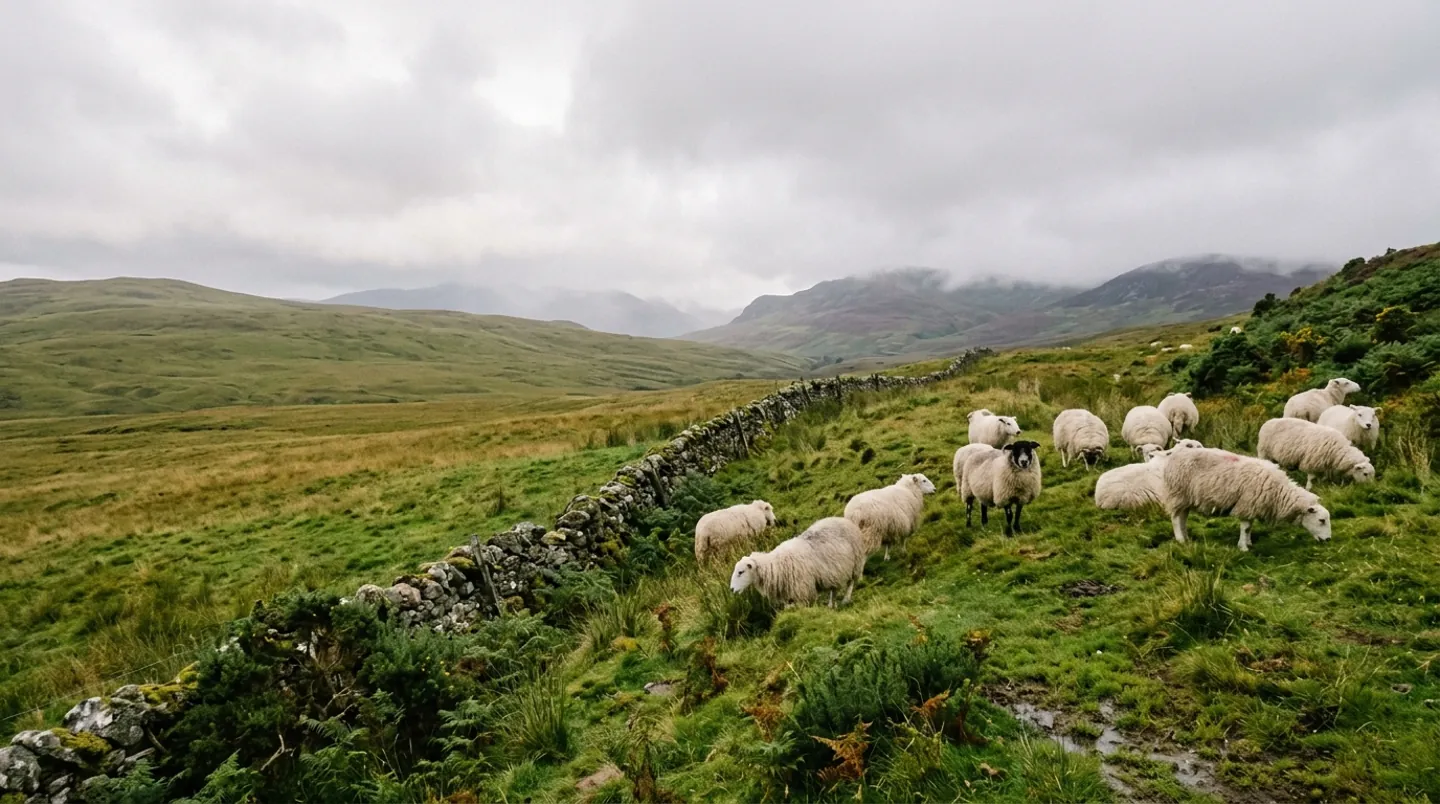
Dolly came from a mammary cell of a six-year-old Finn Dorset ewe, put into an egg from a Scottish Blackface. Her white face showed she was not related to her black-faced surrogate mother.
Is it a clone? doodleclones
WHAT THE SCIENCE SAYS
A clone shares its DNA, not its life.
ONE CELL a whole new sheep
99.9% Share of a cell's DNA in the nucleus
Dolly the sheep proved that one adult cell could make a whole new animal. The scientists who made her are also clear about what cloning cannot copy: the womb, the environment and a lot of luck.
THE SHORT ANSWER
Three things the Roslin Institute,
where Dolly was born, explains about clones.
DOLLY, 1996
Dolly came from a mammary cell of a six-year-old Finn Dorset ewe, put into an egg from a Scottish Blackface. Her white face showed she was not related to her black-faced surrogate mother.
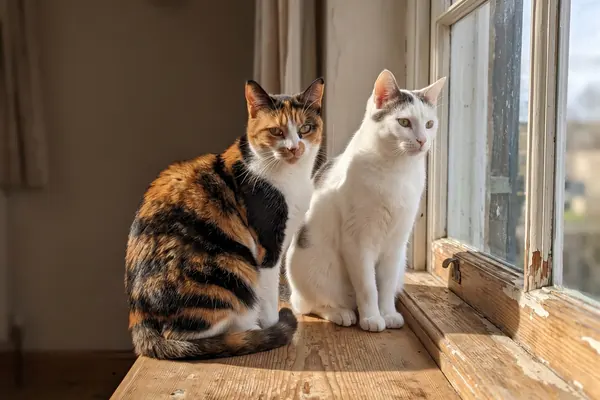
Is it a clone?NOT A CARBON COPY
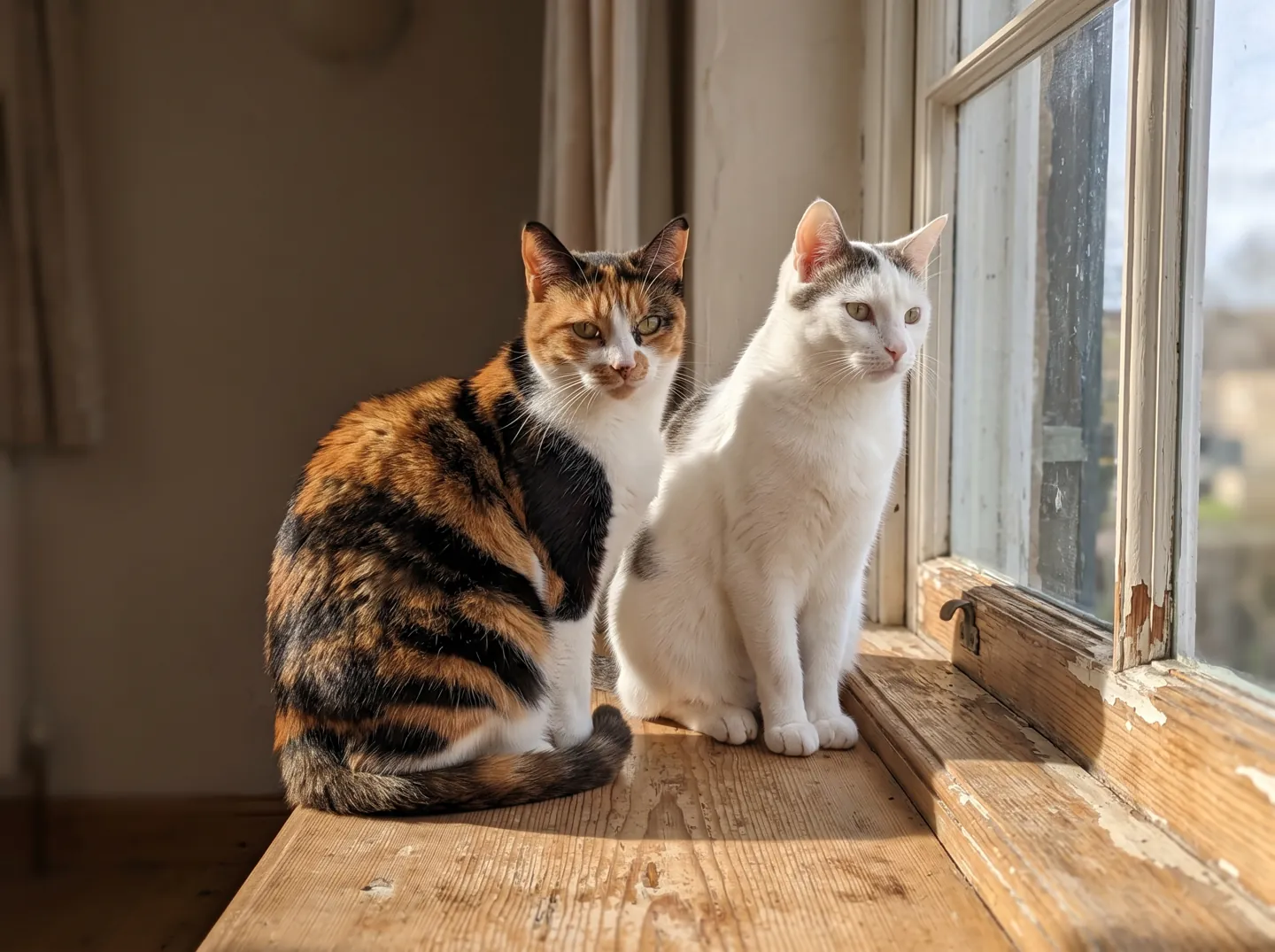
The first cloned cat shared her donor's DNA but looked completely different, because coat pattern is shaped in the womb, something cloning cannot copy.
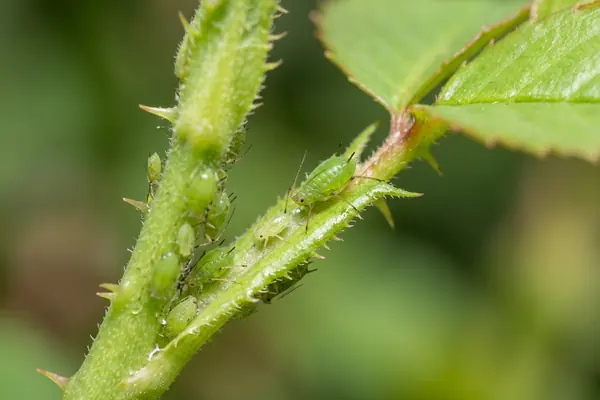
Why clones differIN NATURE
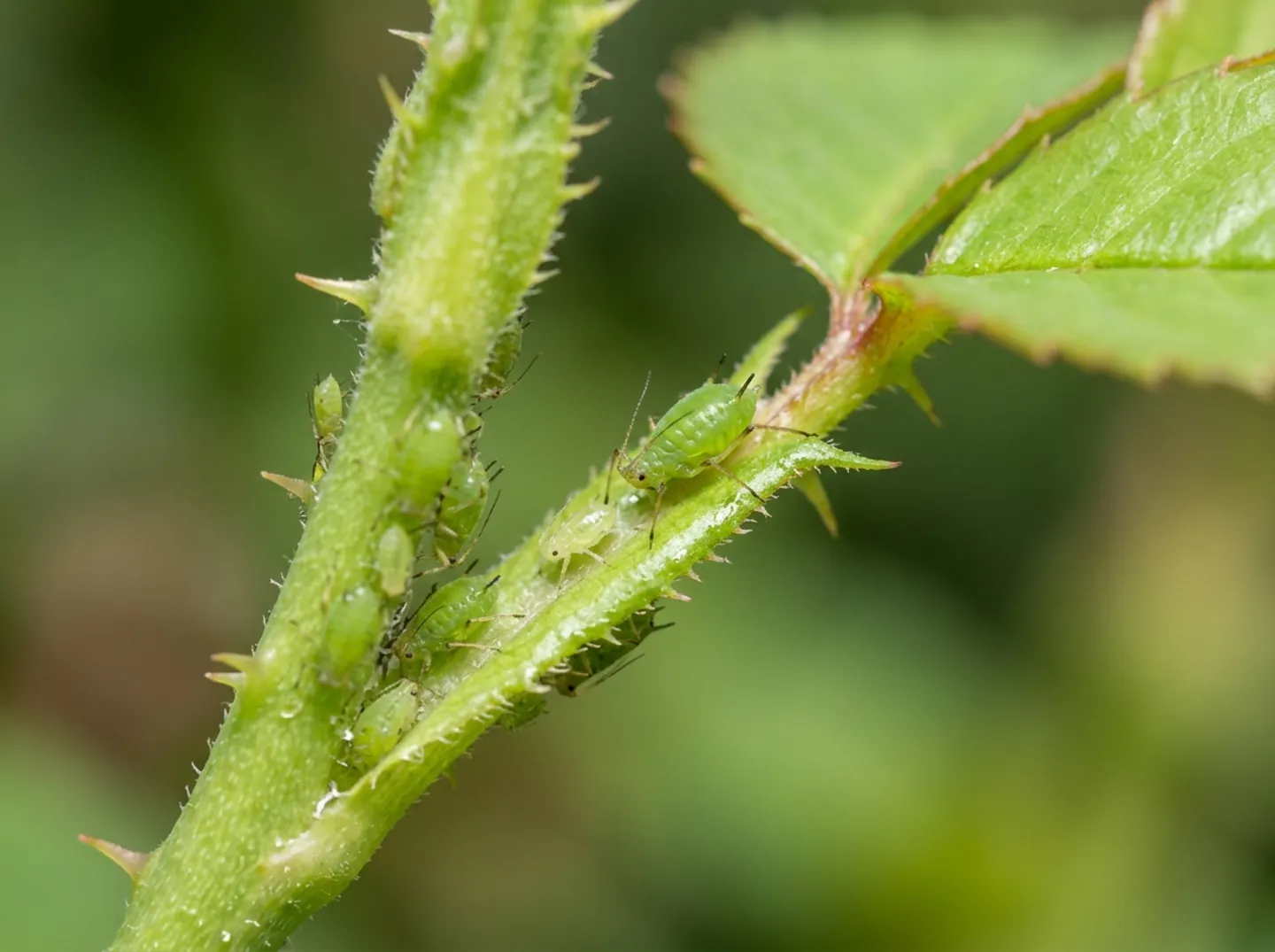
Any organism that reproduces on its own makes clones. Bacteria divide in two, and some aphids give birth to daughters that are clones of their mother.
See the numbersA QUICK DNA CHECK
Pick a pair to see how the Roslin Institute describes it. The bar shows how much of their DNA the two share.
Based on the Roslin Institute's cloning FAQs and its account of Dolly's life.
DOLLY'S LIFE IN FOUR STEPS
The Roslin Institute and National Museums Scotland tell the story of the world's best-known sheep.
Dolly is born to a Scottish Blackface surrogate, the first mammal cloned from an adult cell.
Her birth is revealed alongside the scientific paper. Roslin gets 3,000 phone calls in the following week.
Dolly has six lambs with a Welsh Mountain ram, starting with Bonnie in April 1998.
After lung tumours were found, she was put to sleep at six. She has been on display at the National Museum of Scotland since 2003.
TWO NUMBERS WORTH KNOWING
One figure on what cloning copies,
one on how cloned sheep aged.
99.9%
Share of a cell's DNA in the nucleus
Cloning by nuclear transfer swaps in the donor's nucleus, so the new animal shares almost exactly the donor's DNA. The remaining 0.1 per cent sits in the mitochondria.
WHERE DNA LIVES · ROSLIN
13 clones
Cloned sheep checked at 7 to 9 years old
Four came from the same cell line as Dolly. A 2016 study found no obvious harmful long-term health effects: normal blood sugar and blood pressure, and at most mild or, in one case, moderate arthritis.
AGEING CLONES · NATURE COMMUNICATIONS
Dolly's own early death at six was caused by a lung virus that also infected other sheep at Roslin. Her arthritis was treated, and its cause was never found.
WHY A CLONE IS NOT A COPY
The Roslin Institute says random mutations during development and the environment an animal grows up in mean clones may not look or behave the same, even with the same DNA.
That is why it warns that a cloned pet would still differ from the original in looks and personality. Cloning also has a very low success rate, and Roslin no longer clones animals: newer technologies are far more efficient.
Questions
No. A sheep cloned from an embryo cell was born in Cambridge in 1984. Dolly was the first mammal cloned from an adult cell, which no one at the time thought was possible.
By somatic cell nuclear transfer: the nucleus of an egg cell is removed and replaced with the nucleus of a donor adult cell. Dolly's donor cell came from the mammary gland of a six-year-old Finn Dorset ewe.
It is not clear. Her telomeres were shorter than expected at one year old, but health screens found no conditions linked to premature ageing. A 2016 study of 13 cloned sheep aged 7 to 9 found no obvious long-term health effects.
In a sense, yes. The Roslin Institute says they share the same DNA from one split egg, and are often more alike than a clone and its donor because they share an environment.
Reproductive cloning of humans is banned in the UK. Therapeutic cloning, where embryos are only grown in the lab to make stem cells, is permitted but tightly controlled by the Human Fertilisation and Embryology Authority.
Updated
ABOUT THIS NAME
doodleclones.com is part of the DoodleSale portfolio. It isn't in an auction right now, but you can ask about leasing it.